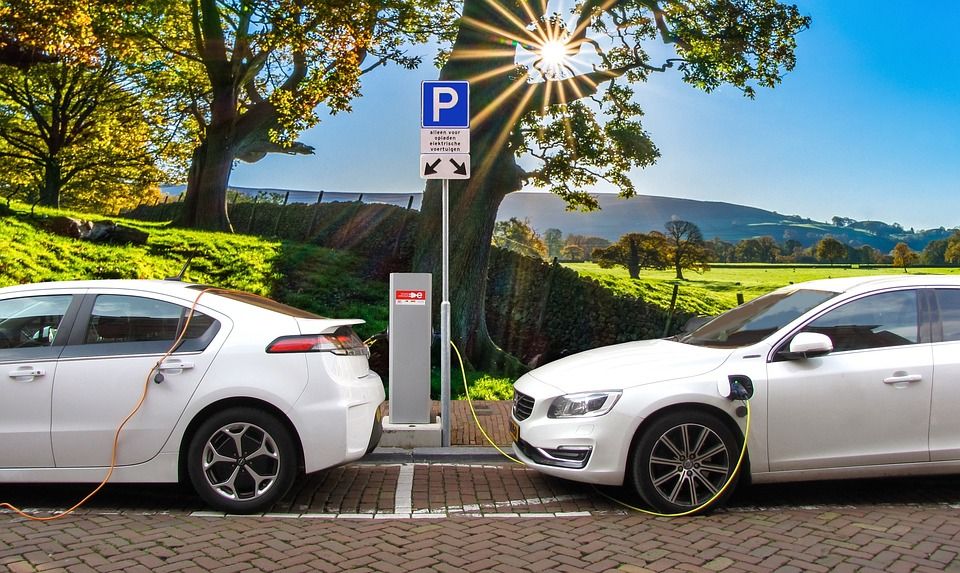
Possibility of Electric Vehicles in Nepal
~/Introduction to Electric Vehicle
An electric car is a vehicle that runs on electricity rather than gasoline or diesel. There are several different types of electric cars which are powered solely by electricity, and hybrid electric cars, which combine an internal combustion engine with one or more electric motors.
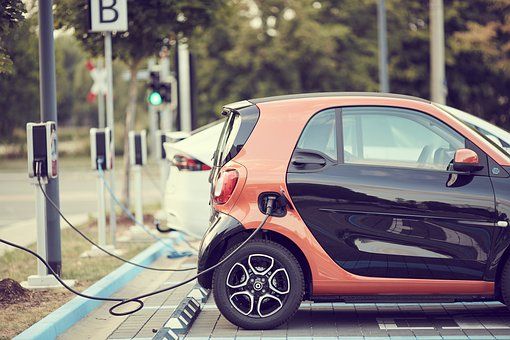
EVs are powered by one or more electric motors, and they use rechargeable batteries to store the electricity that powers the motor(s). These batteries can be recharged by plugging the vehicle into an electrical outlet or charging station. Because EVs do not produce emissions from a tailpipe, they are considered to be a clean and environmentally-friendly alternative to gasoline- and diesel-powered vehicles.
EVs have several benefits over traditional vehicles, including lower operating costs, reduced dependence on fossil fuels, and lower emissions. Additionally, because electric motors are simpler than internal combustion engines, they require less maintenance and have longer lifetimes. On the other hand, the main drawback of EVs is their limited driving range and the relatively longer charging time compared to traditional vehicles.
~/Advantages of electric vehicle
- Lower operating costs: EVs have lower fuel and maintenance costs than traditional vehicles. The cost of electricity is typically lower than the cost of gasoline or diesel, and EVs have fewer moving parts, which means less wear and tear, and fewer parts that need to be replaced.
- Reduced dependence on fossil fuels: EVs are powered by electricity, which can come from a variety of sources, like renewable energy sources like solar and wind power. This reduces our dependence on fossil fuels and helps to reduce greenhouse gas emissions.
- Quieter operation: Electric motors are much quieter than internal combustion engines, which can significantly reduce noise pollution.
- Improved Acceleration and Torque: Electric motors deliver full torque from 0 RPM, which results in much quicker acceleration.
- Incentives and Tax benefits: Many governments offer incentives to promote the use of electric vehicles such as tax credits, rebates, or even free parking and access to HOV lanes.
- Smart and Connected: Electric vehicles are often equipped with advanced technologies such as smart charging and telematics, which can be used to improve the efficiency of the power grid and to provide owners with valuable information about their vehicle and its usage.
- It's worth mentioning that most of the points above varies from location to location, some areas might be more benefits than others, depending on the electricity generation sources and the availability of charging infrastructure. However, as the technology continue to develop, cost continues to reduce and more and more charging infrastructure become available, the advantages of Electric vehicle will become more apparent.
~/Possibility of Electric Vehicle in Nepal
The potential for electric vehicles (EVs) in Nepal is significant, but there are several challenges that need to be overcome in order to fully realize that potential.
One of the main challenges is the lack of charging infrastructure. While there are some EV charging stations in Nepal, the number is currently quite limited, and they are primarily located in the major cities. To support widespread adoption of EVs, more charging stations will need to be installed, particularly in rural and remote areas.
Another challenge is the high cost of EVs. While the prices of EVs are decreasing globally, they are still more expensive than traditional gasoline- or diesel-powered vehicles. To make EVs more affordable for Nepali consumers, the government could consider implementing incentives, such as tax breaks or subsidies, to help bring down the cost of EVs.
The power generation in Nepal, mostly come from hydroelectricity. Which make it an ideal source of energy for electric vehicle, as it is renewable, low-cost and does not produce emissions. With more investment in hydroelectric power and other clean energy sources, Nepal could further reduce the cost of electricity and make EVs even more attractive to consumers.
In recent years, there are some efforts being made to promote electric vehicle in Nepal, such as the government announcing that they are planning to bring electric buses in Kathmandu and other major cities, which could be a good step towards promoting the use of electric vehicles. More regulations and policies are being made to support the electric vehicle industry.
In conclusion, while there are challenges that need to be addressed in order to promote widespread adoption of EVs in Nepal, the potential for EVs is significant. With the right policies, investments in charging infrastructure, and the continued development of clean energy sources, Nepal could become a leader in the adoption of EVs.